
Guides for people who run their own software
Practical guides and honest deep dives into open-source SaaS and self-hosting.

Latest

How to Leave a SaaS Before You're Locked In: An Exit-Readiness Checklist
Vendor lock-in is not one problem but four. A framework for staying able to leave any SaaS tool, plus a quarterly fire drill that keeps your options open.

Single Sign-On for Small Teams: A Plain Guide to OIDC, SAML, and Self-Hosted Identity
SSO is not just an enterprise checkbox. What it actually is, the difference between OIDC and SAML in plain terms, and how to wire up your first app, with the offboarding payoff explained.

GDPR and Self-Hosting: Does Running Your Own Server Actually Help?
Self-hosting is often sold as a shortcut to GDPR compliance. It helps with some things, does nothing for others, and adds new responsibilities. A practical breakdown.
How to Run Open-Source Software in Production Without a DevOps Team
You do not need Kubernetes or an on-call rotation to run open-source tools reliably. Here is the minimum viable operations setup, what to buy instead of build, and a monthly routine.

The Hidden Costs of Free Tiers: When 'Free' SaaS Starts Charging You
Free tiers are a sales funnel, not a gift. A look at how the bill eventually arrives, with real pricing patterns, and how to judge a free plan before you build on it.

Coolify vs Dokploy vs Arcane vs Openship: The Self-Hosted PaaS Comparison
Real dashboard screenshots, honest pros and cons, and the exact licensing fine print for Coolify, Dokploy, Arcane, Dokku, and Openship — the open-source platforms that replace Heroku, Vercel, and Netlify on your own server.

Data Ownership vs. Data Portability: What 'You Own Your Data' Actually Means
Every tool claims you own your data. Some mean it. Here is a way to tell the difference, using file formats and export tests you can run before you commit.

Reverse Proxy Explained: Caddy vs. Nginx vs. Traefik for People Who Just Want HTTPS
What a reverse proxy does, why every self-hosted setup needs one, and how the same job looks in Caddy, Nginx, and Traefik, with the actual config for each.

PostgreSQL vs. SQLite for Self-Hosted Apps: Which Should You Actually Use?
SQLite is not a toy and Postgres is not always overkill. A practical look at when each one is the right call for a self-hosted app, with concrete scenarios.

Backing Up a Self-Hosted App the Right Way: The 3-2-1 Rule in Practice
Most self-hosted backups are a cron job nobody has ever tested. Here is how to apply the 3-2-1 rule with real commands, and how to run a restore drill so you know it works.

Open-Source Licenses Explained for Founders: MIT, Apache, GPL, AGPL, SSPL
A plain-English guide to the licenses you will actually run into when picking open-source software for your startup, and what each one lets you do commercially.

A Docker Compose Starter Stack for Your First Self-Hosted Setup
The handful of pieces every self-hosted setup needs before the apps: a reverse proxy, automatic HTTPS, backups, and updates. A calm walkthrough you can finish in an afternoon.
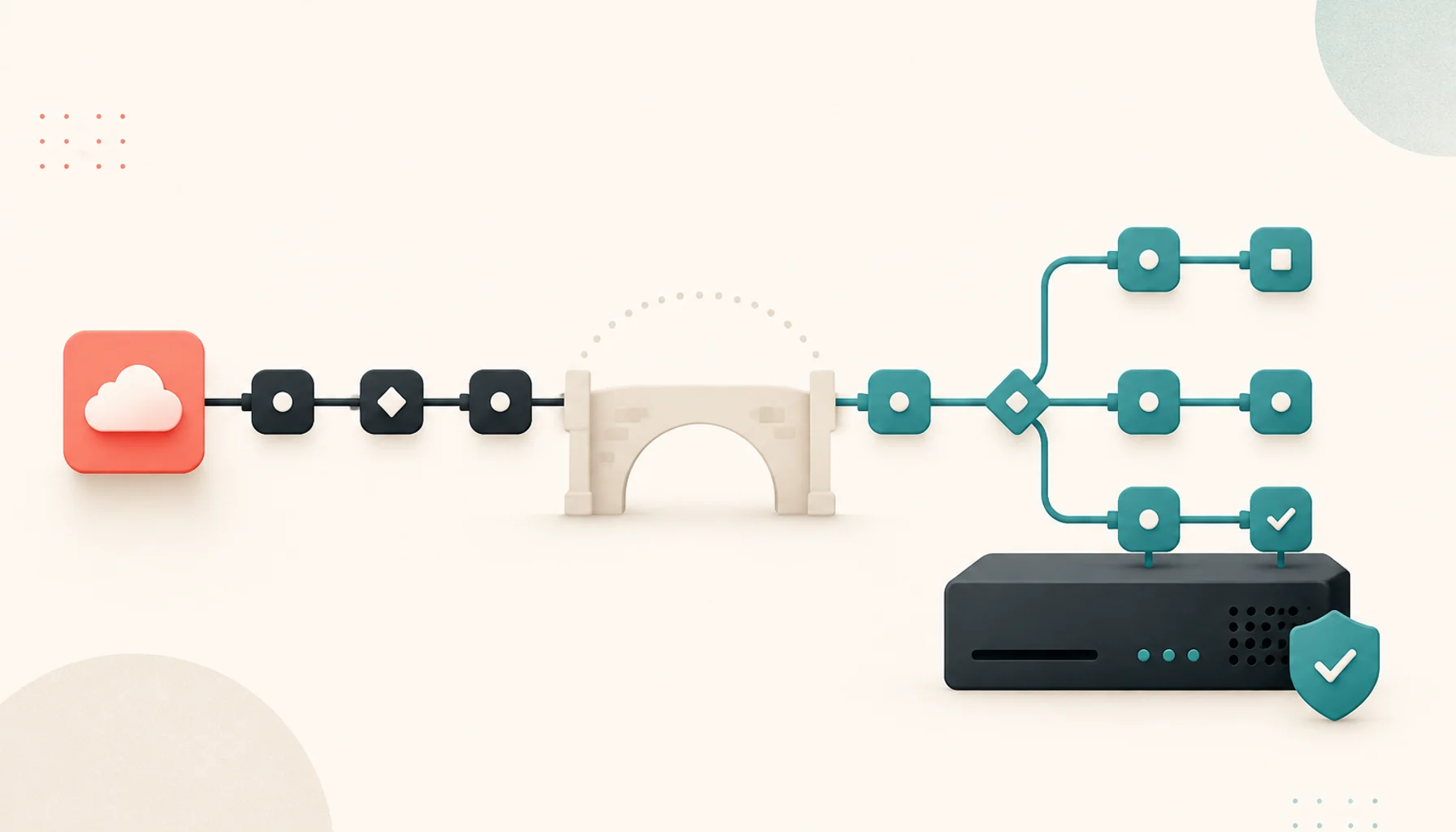
Moving From Zapier to n8n: A Practical Walkthrough
How to move your automations from Zapier to self-hosted n8n one workflow at a time, what maps cleanly, what does not, and how to keep the lights on during the switch.

How to Tell if an Open-Source Project Is Safe to Depend On
A practical checklist for judging the health of an open-source project before you build on it, so you can spot the abandoned ones and the one-maintainer risks early.

How to Migrate Off Google Workspace Without Breaking Your Week
A calm, step-by-step approach to moving email, docs, calendar, and files away from Google Workspace to open-source and self-hosted tools, without a risky big-bang cutover.

Self-Hosting vs. SaaS in 2026: The Real Cost Breakdown
Self-hosting looks free until you add up your time. Here is a practical way to compare the true cost of running open-source software yourself versus paying for a SaaS subscription.

🚀 Introducing opensaas.directory: Your Gateway to Open Source SaaS Alternatives
In today's SaaS-driven world, finding the right software solutions for your business can be overwhelming. While proprietary SaaS tools dominate the market, there's a growing ecosystem of powerful open source alternatives that often go undiscovered.